BASC Completes CHED Validation, Advances Another Step Toward Universityhood
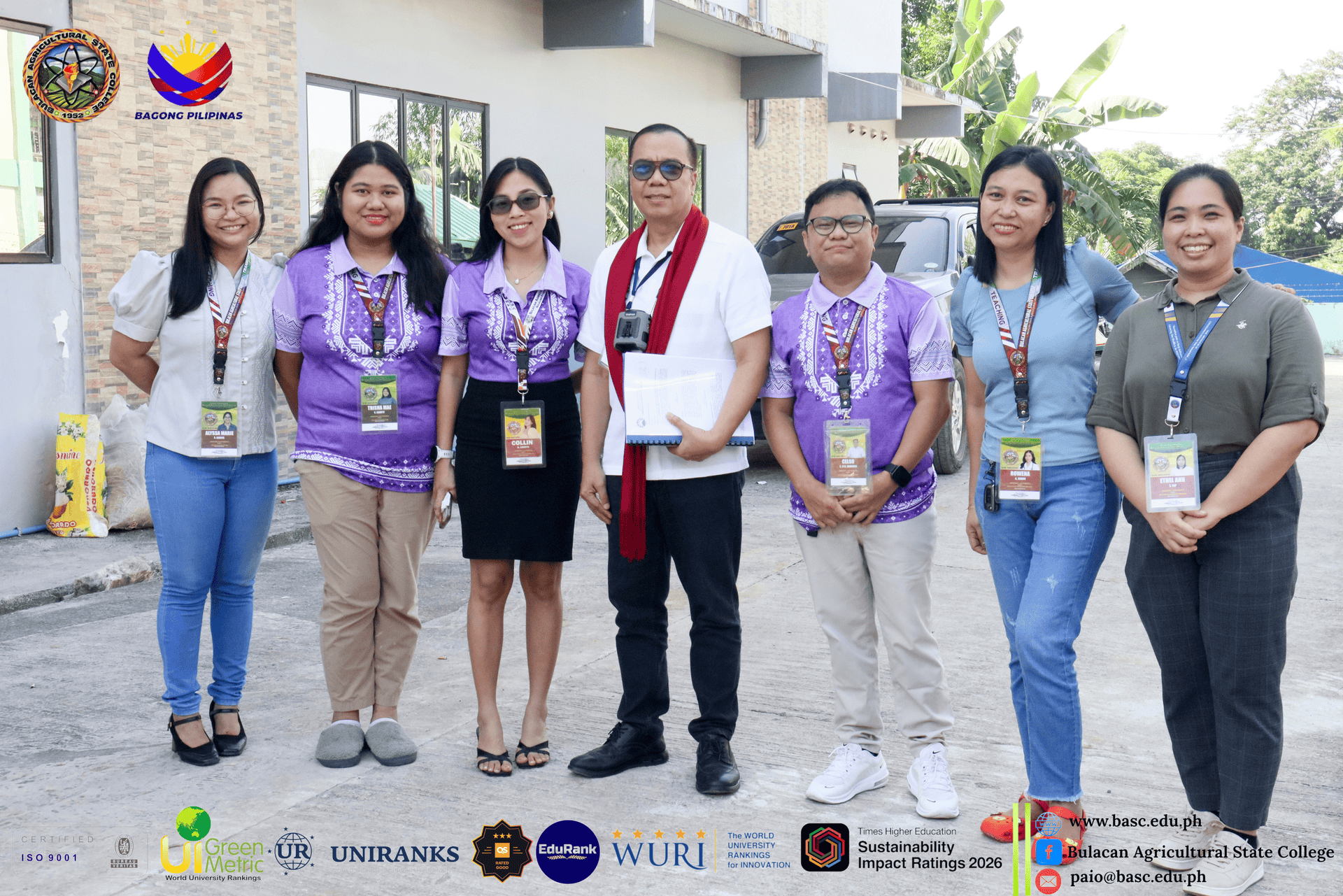
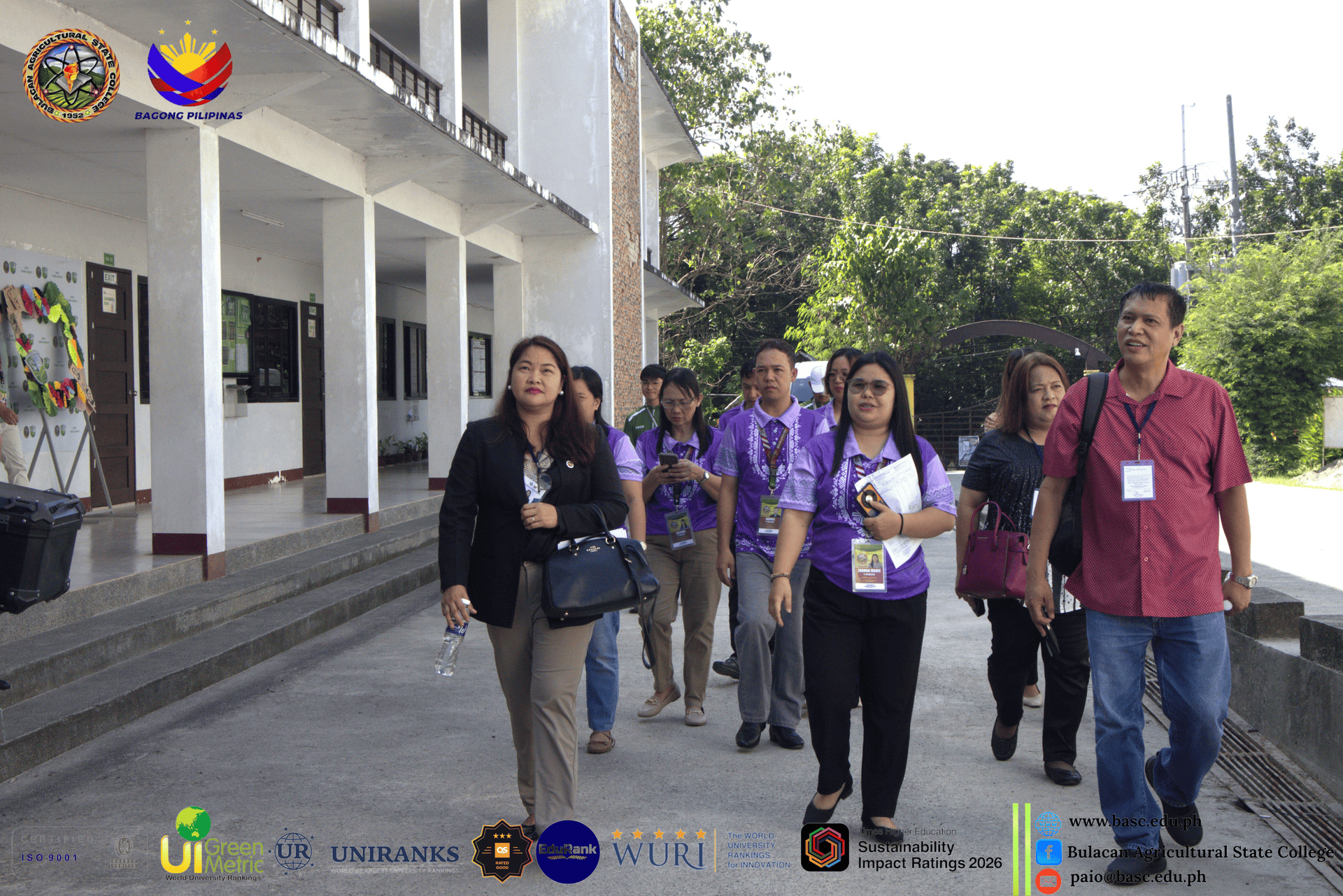
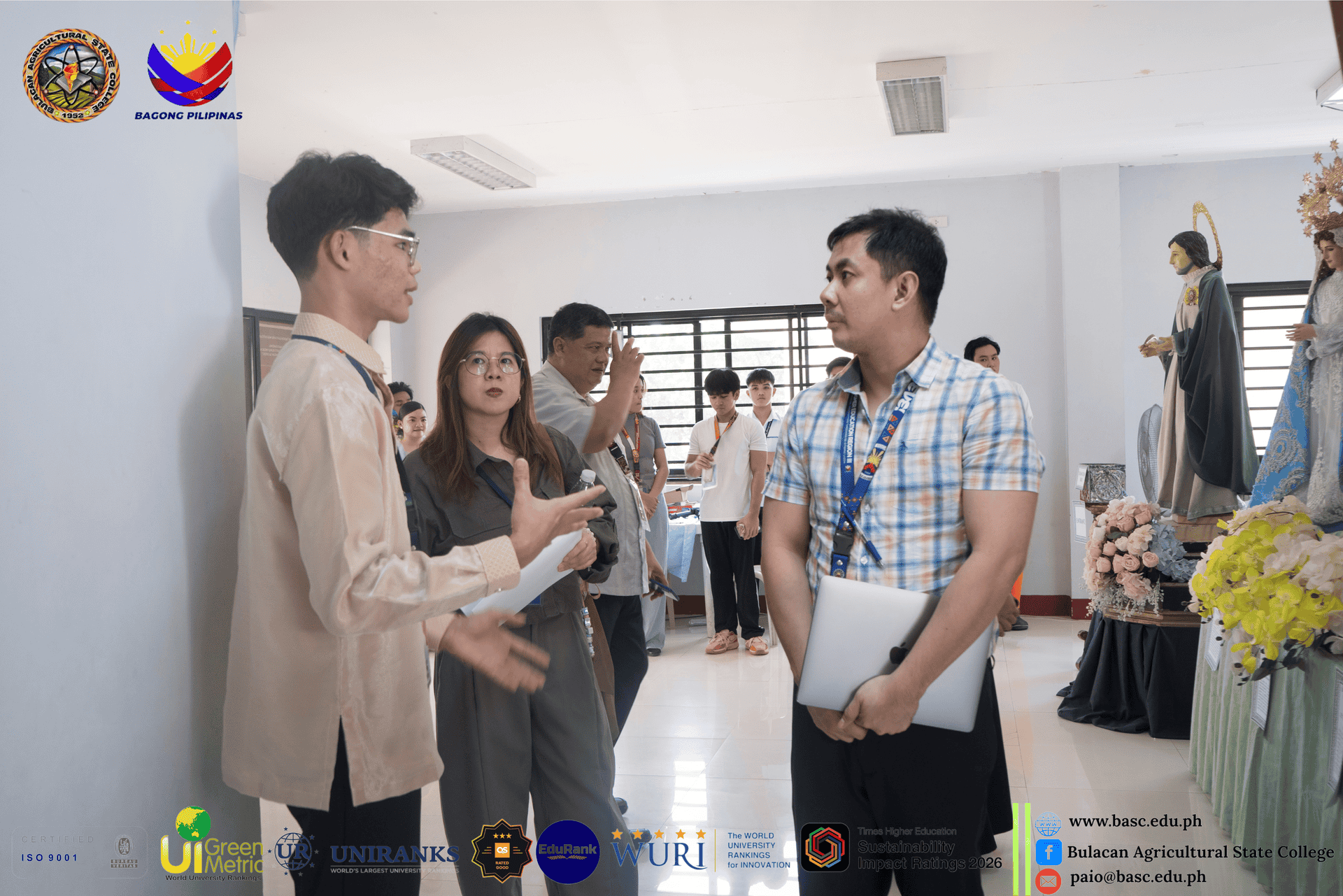
PINAOD, San Ildefonso, Bulacan — Bulacan Agricultural State College
(BASC) completed the three-day on-site validation of its compliance with
Commission on Higher Education (CHED) requirements for university status on
October 3, marking another crucial step in its long-awaited transition into
Bulacan State Agricultural University (BSAU).
Conducted from October 1 to 3, the validation brought together members
of the CHED Composite Team (CCT) from the Central Office and CHED Regional
Office III to assess the College’s academic programs, governance systems,
facilities, research and extension initiatives, student services, institutional
resources, and other areas pertinent to university conversion.
The CHED Central Office delegation is composed of Dr. Lora L. Yusi,
Director IV, Office of Institutional Quality Assurance and Governance (OIQAG)
as Team Leader, with members including Dr. Mildred M. Libot, Chief Education
Program Specialist, OIQAG; Dr. Jimmy G. Catanes, Director IV, Office of
Programs and Standards Development (OPSD); Atty. Peter Lloyd D. Carpio,
OIC-Office of the Director IV, represented by Atty. Hazel Mendoza; Dr. Mary
Sylvette T. Gunigundo, Director IV, Office of Programs and Research Knowledge
Management (OPRKM), represented by Mr. Maynardo Balao; CHEDRO III Regional
Director Maura Consolacion D. Cristobal, CESO III, represented by Dr. Bernard
Pantonilla, Chief Education Program Specialist; and Ms. Shiela Jalbuena, Senior
Education Program Specialist, OPSD. Also serving as members of the CHED
Composite Team are Dr. Virgilio G. Viernes Jr., Dr. Lilibeth P. Novicio, Dr.
Abigail P. Daria, Dr. Mariedel L. Autriz, Dr. Marife DT. Pascual, Dr. Aldrin
Badua, Dr. Ignacio C. Cordova Jr., and Engr. Molly D. Endaya, with Mr. Ruel T.
Salem and Ms. Alexandra Mae Q. Hernandez serving as secretariat.
Joining the validation from CHED Regional Office III are Dr. Maria
Teresa Salta, Supervising Education Program Specialist; Mr. Francis Dominic de
Guzman, Education Supervisor II; and Ms. Maricris David, Education Program
Supervisor II.
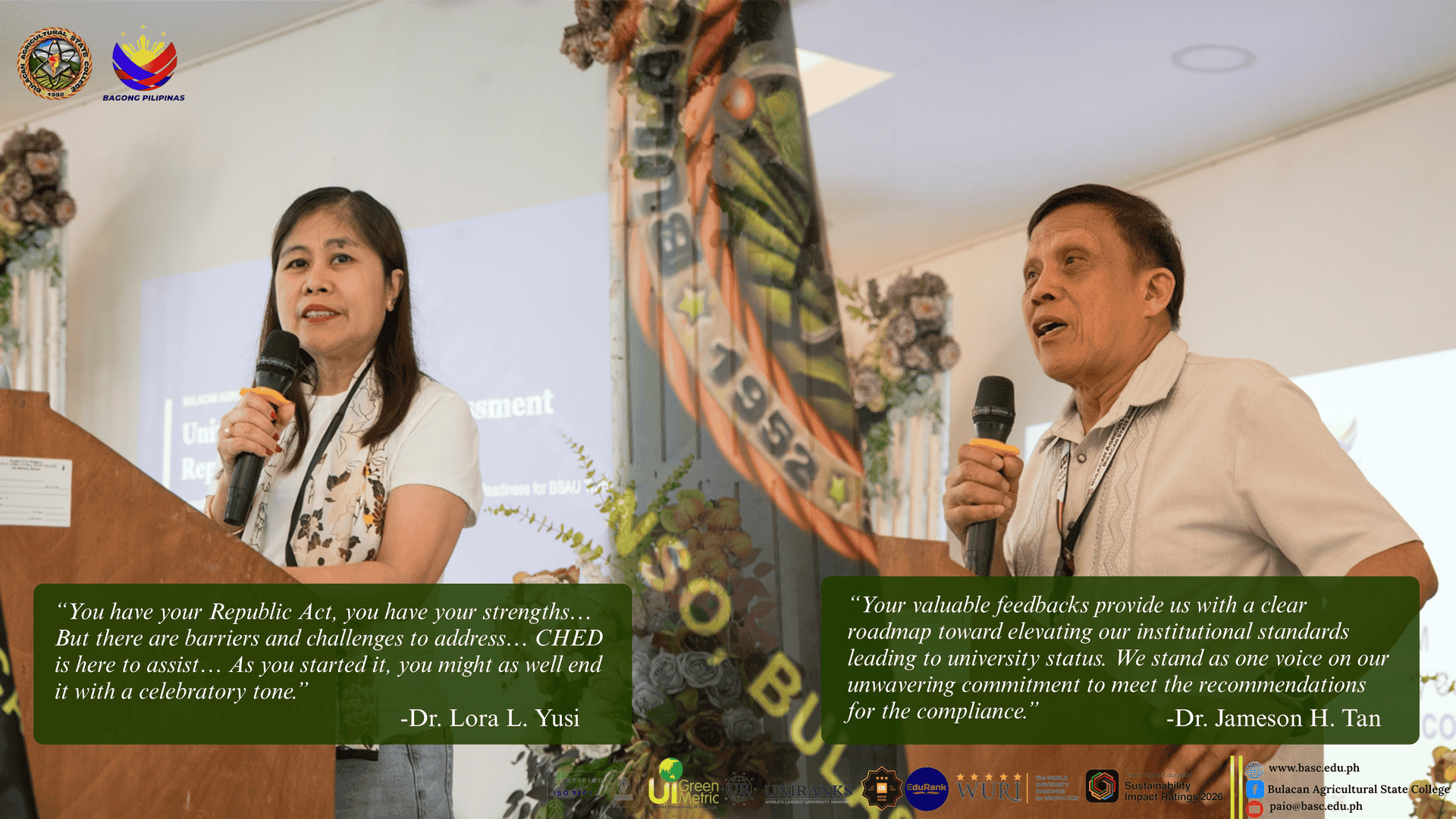
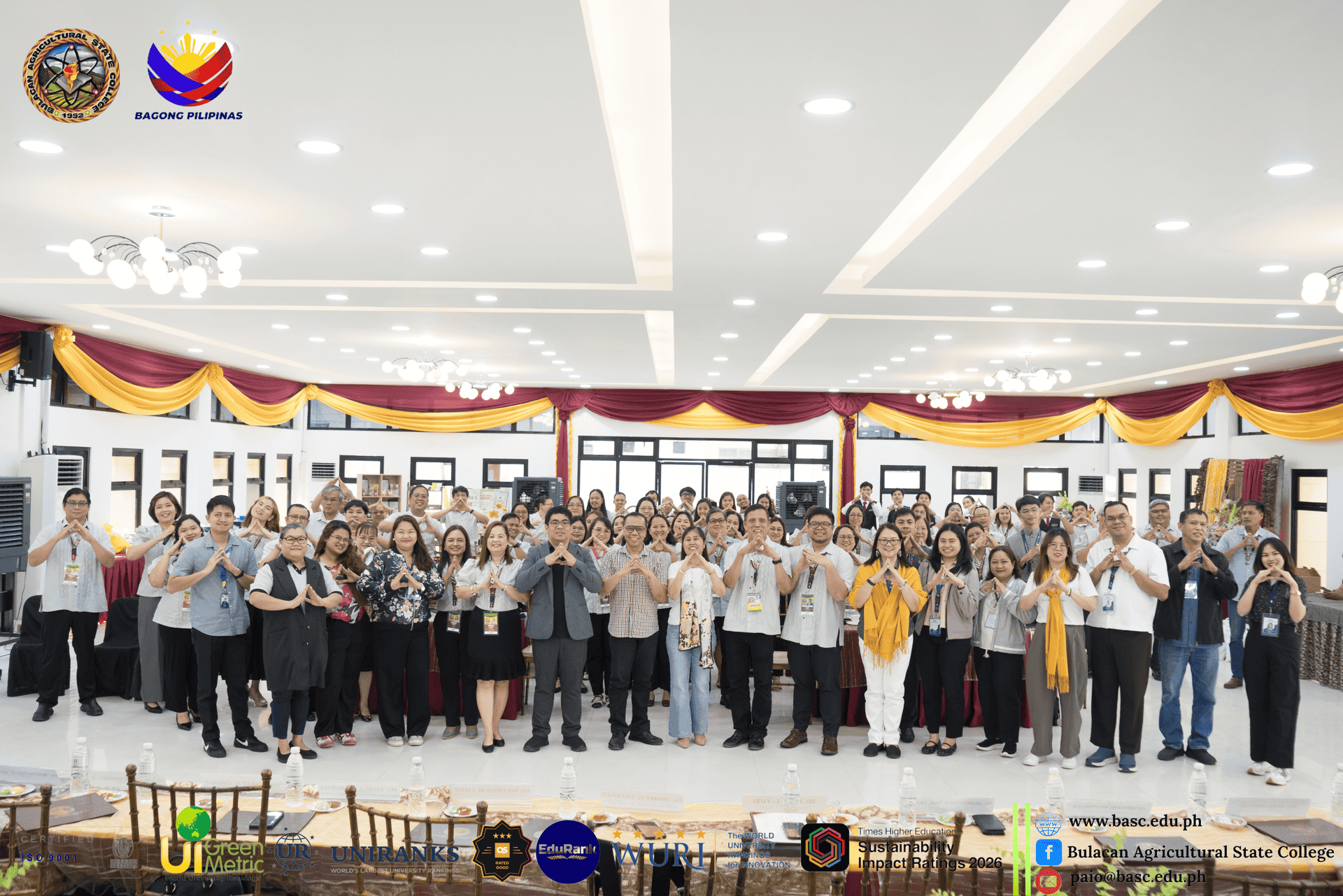
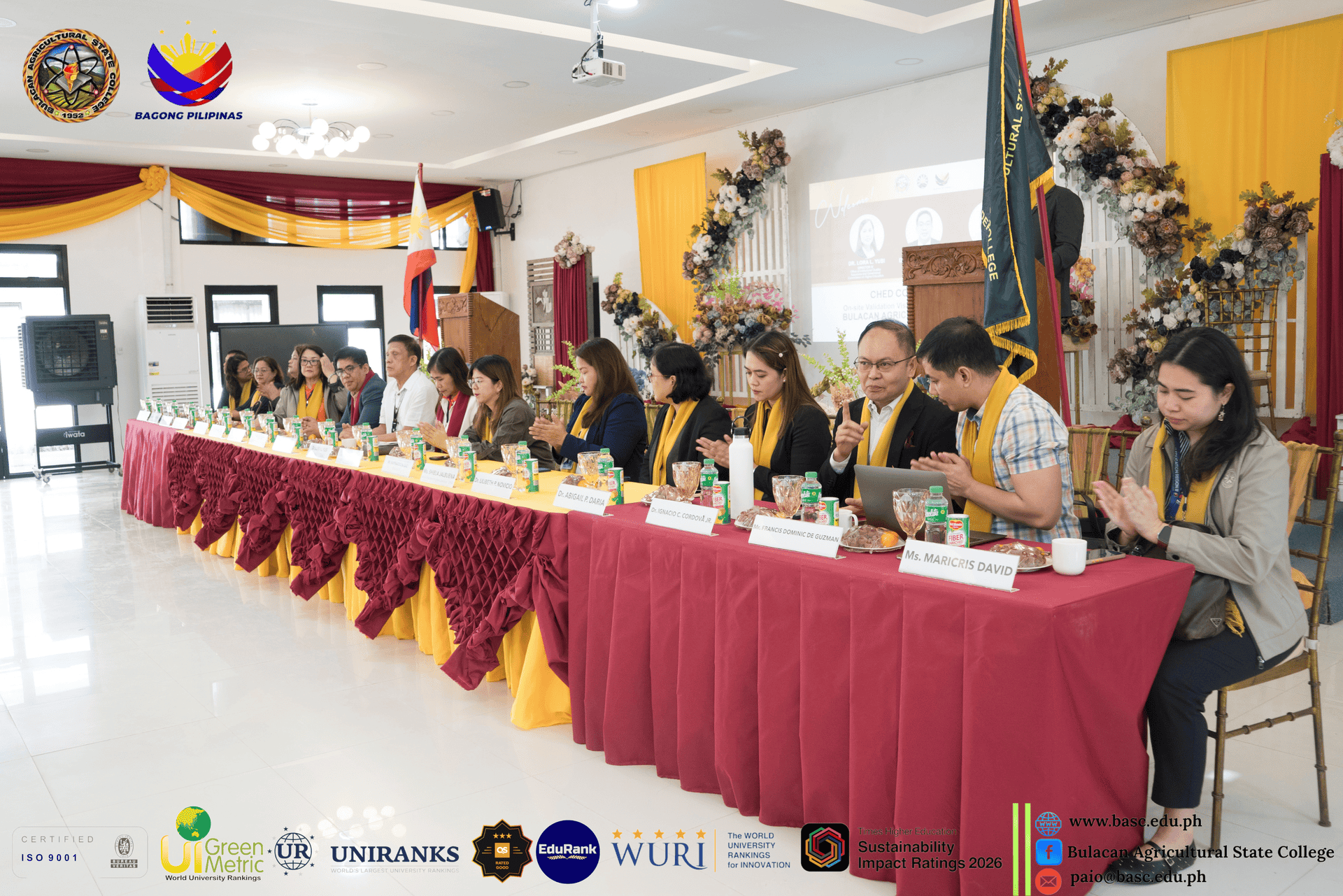
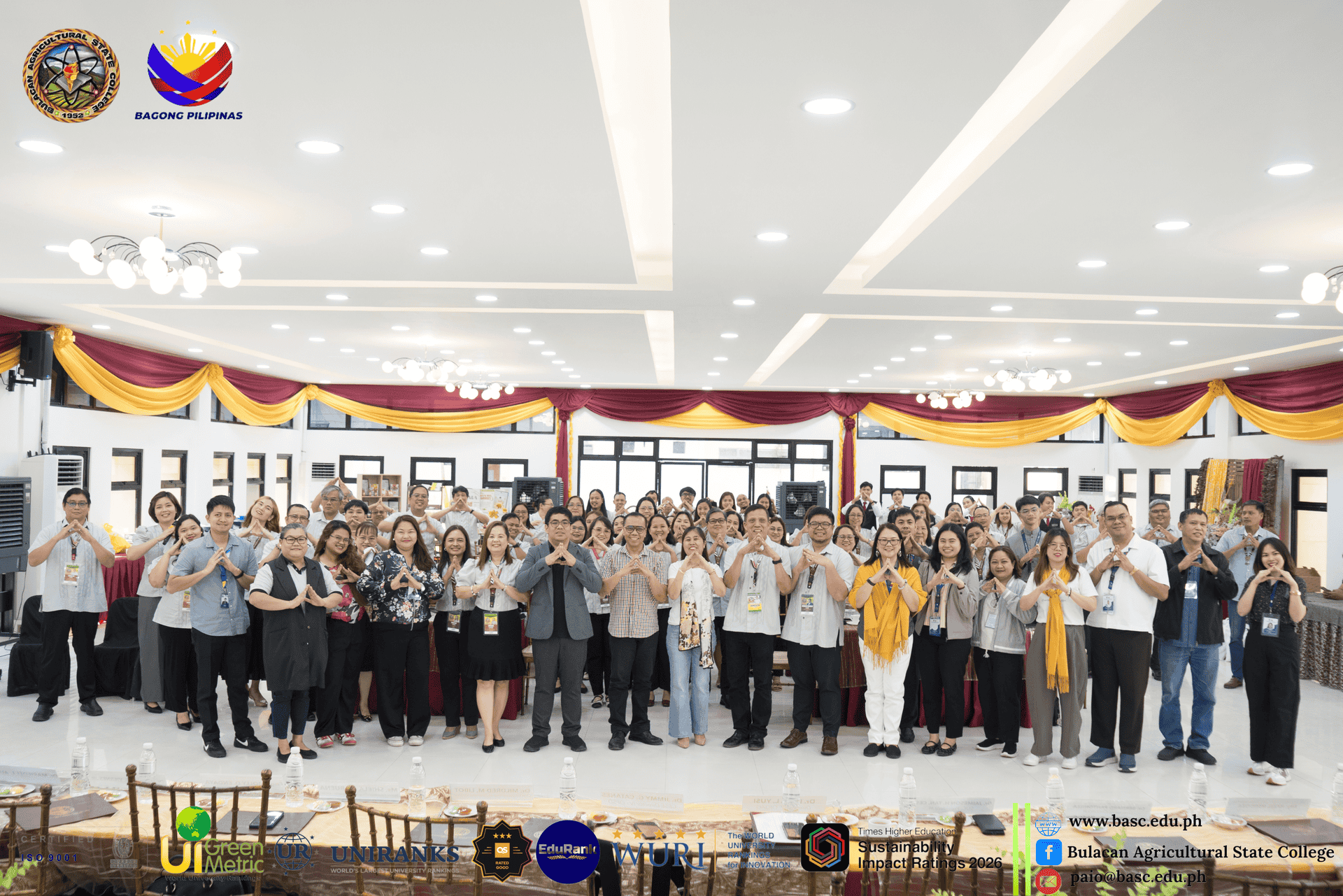
The three-day undertaking culminated in an Exit Conference and Closing
Program at the BASC Function Hall, where Dr. Lora L. Yusi, presented the
validation results. The findings highlighted a number of institutional
strengths while identifying areas requiring further action and supporting
evidence.
BASC was given one month to address the identified requirements and
submit the necessary evidence of compliance, after which the concerned body
will reconvene to evaluate the College’s compliance. BASC President Dr. Jameson
H. Tan, in his response, acknowledged the team’s findings and recommendations
and affirmed the College’s commitment to undertake the necessary actions within
the prescribed period.
Three Days of Validation
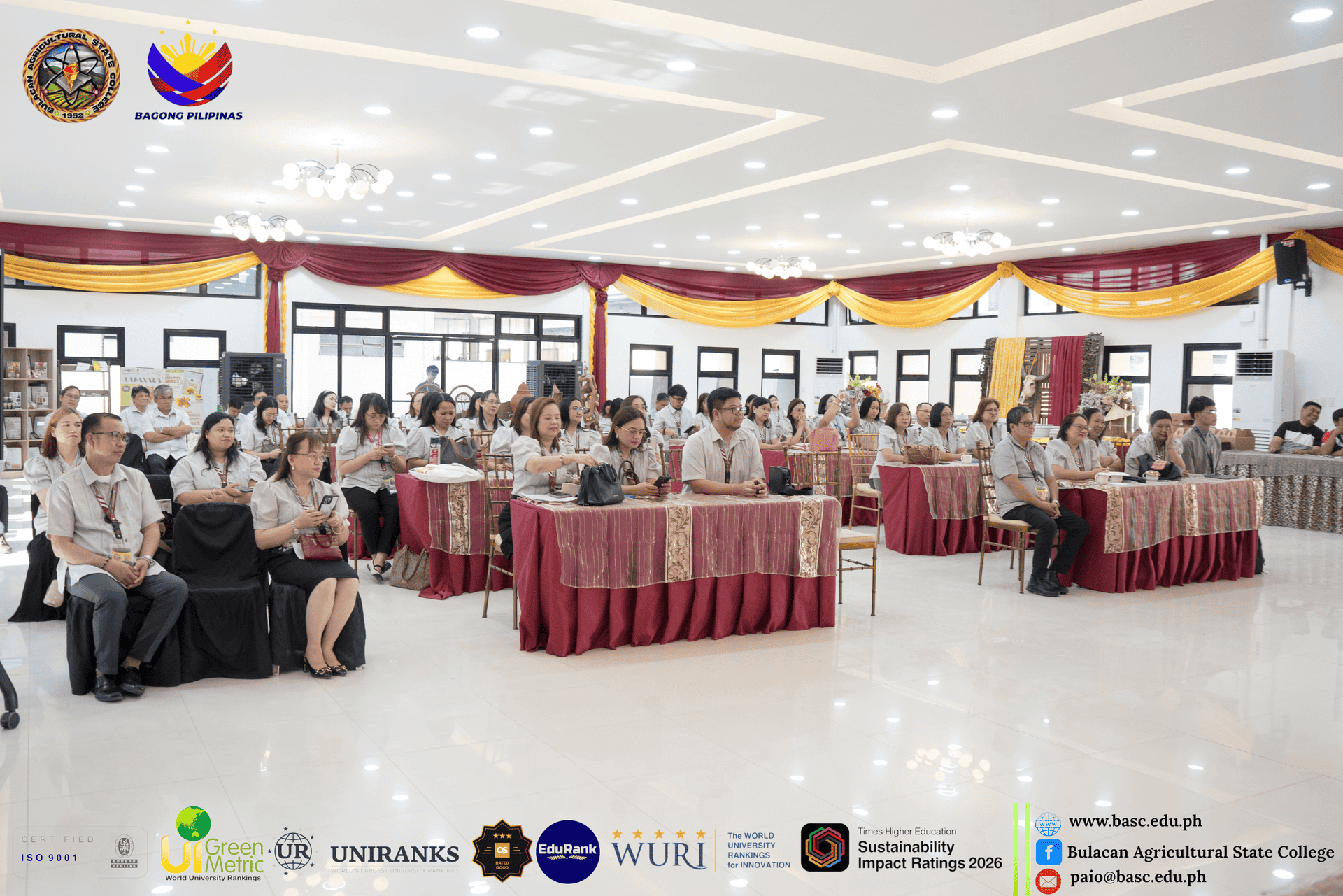
The validation formally opened on October 1 with messages from Dr.
Bernard Pantonilla, representing CHED Regional Office III Director Dr. Maura
Consolacion D. Cristobal, and President Tan, who welcomed the CCT and
underscored the significance of the undertaking to BASC’s continuing pursuit of
university status.
Dr. Yusi introduced the members of the CCT, while Dr. Cecilia S.
Santiago, Vice President for Academic Affairs, presented the BASC Conversion
Team tasked with facilitating and supporting the validation process. An
institutional presentation followed, giving the validators an overview of
BASC’s development, accomplishments, programs, systems, and institutional
capacities.
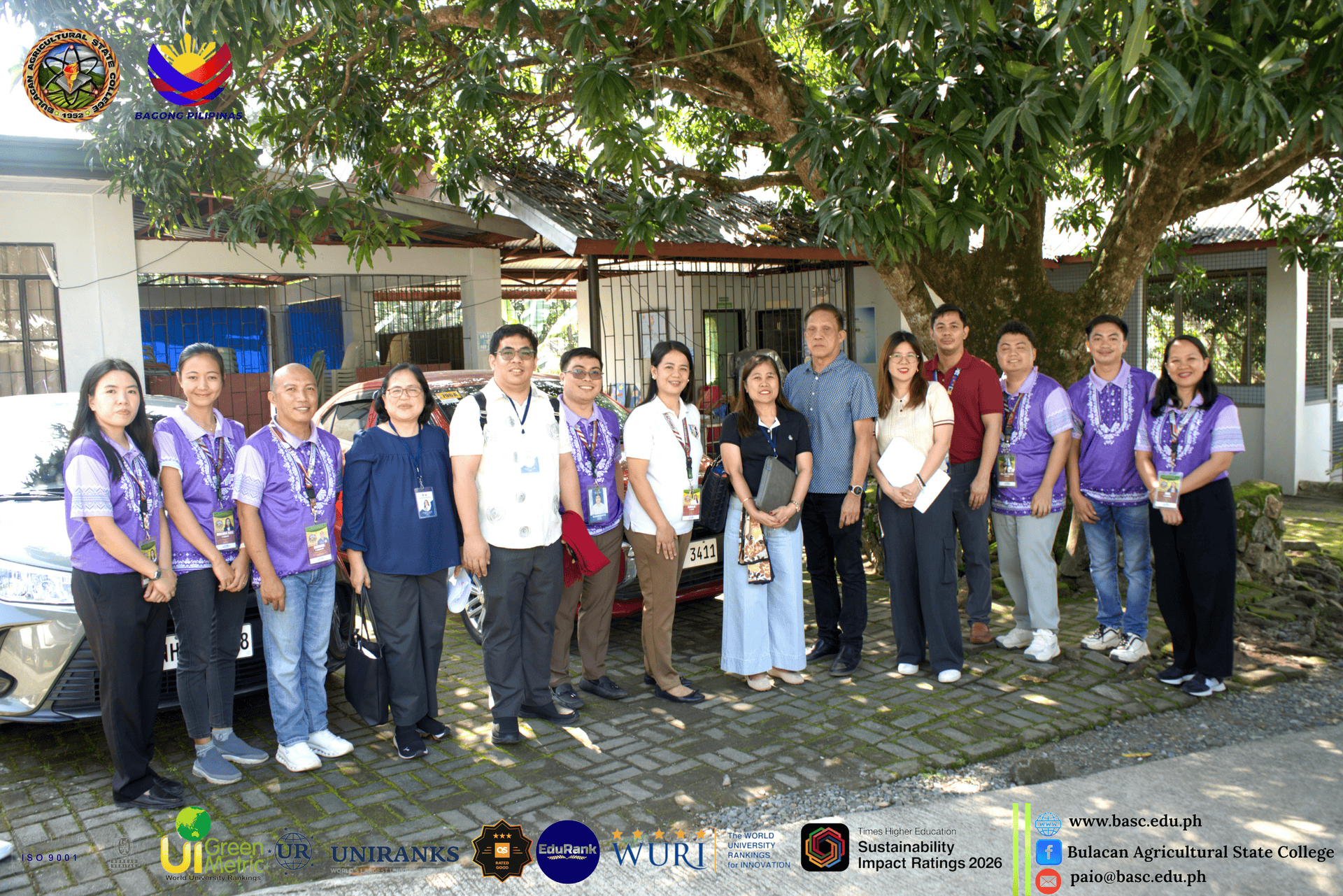
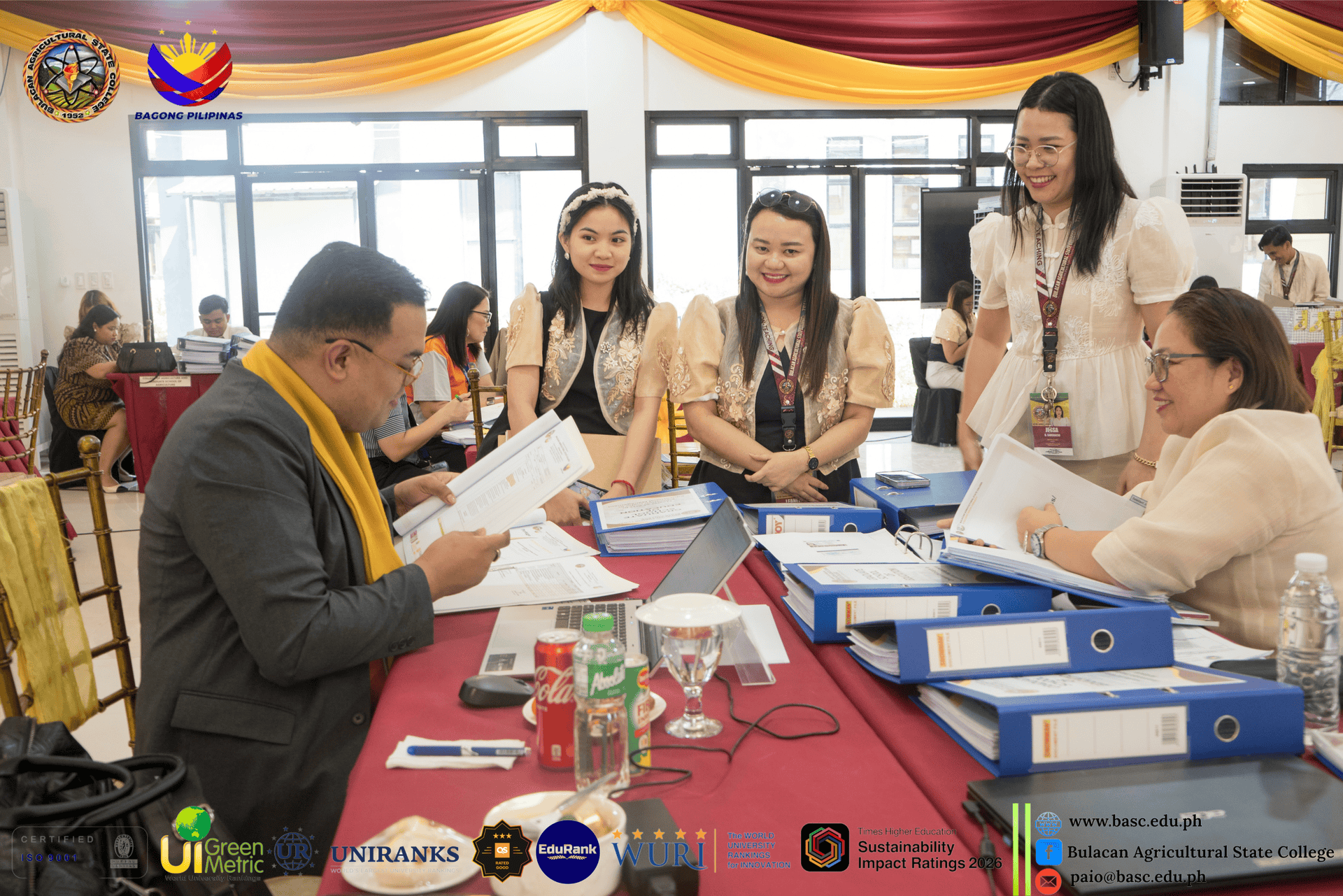
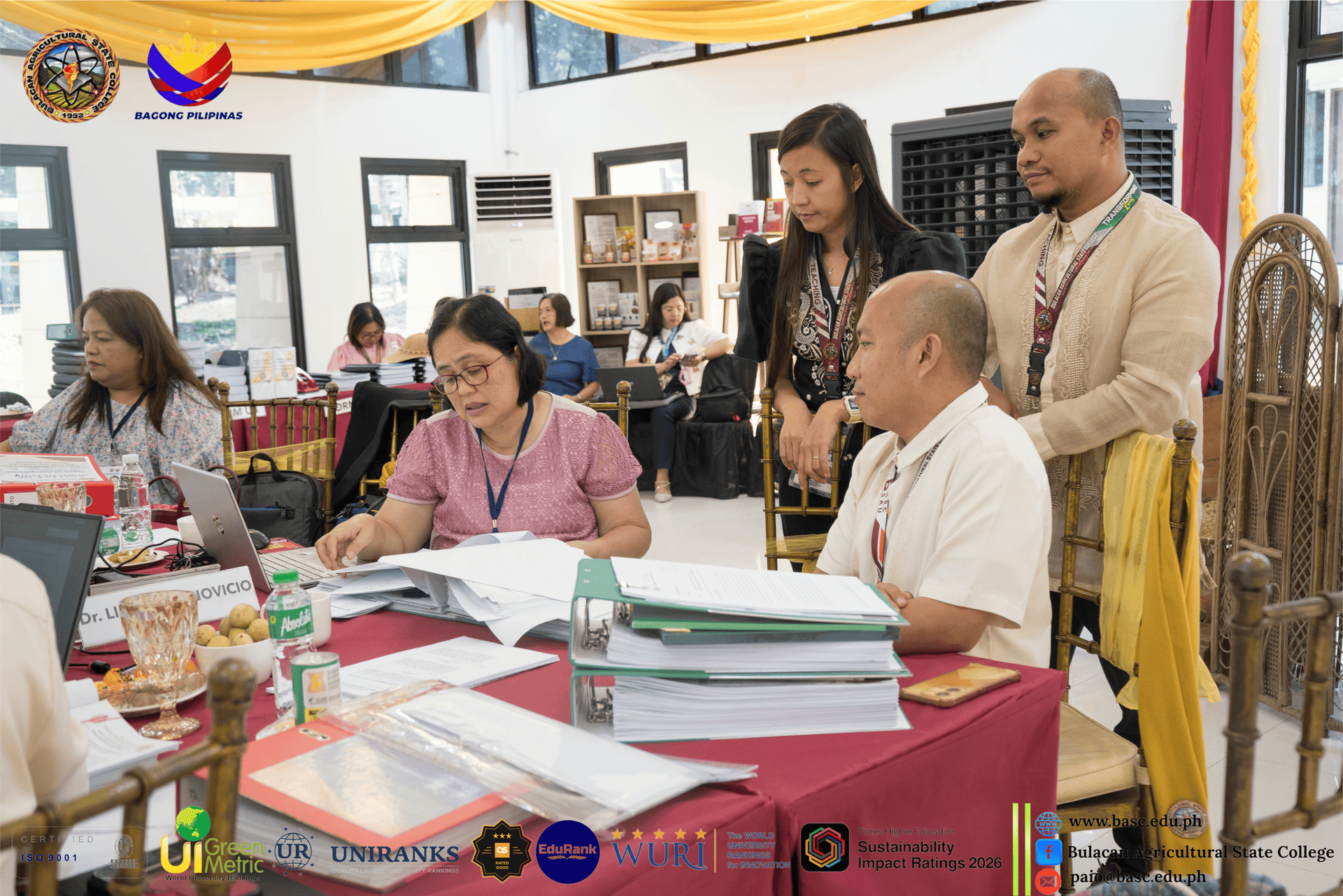
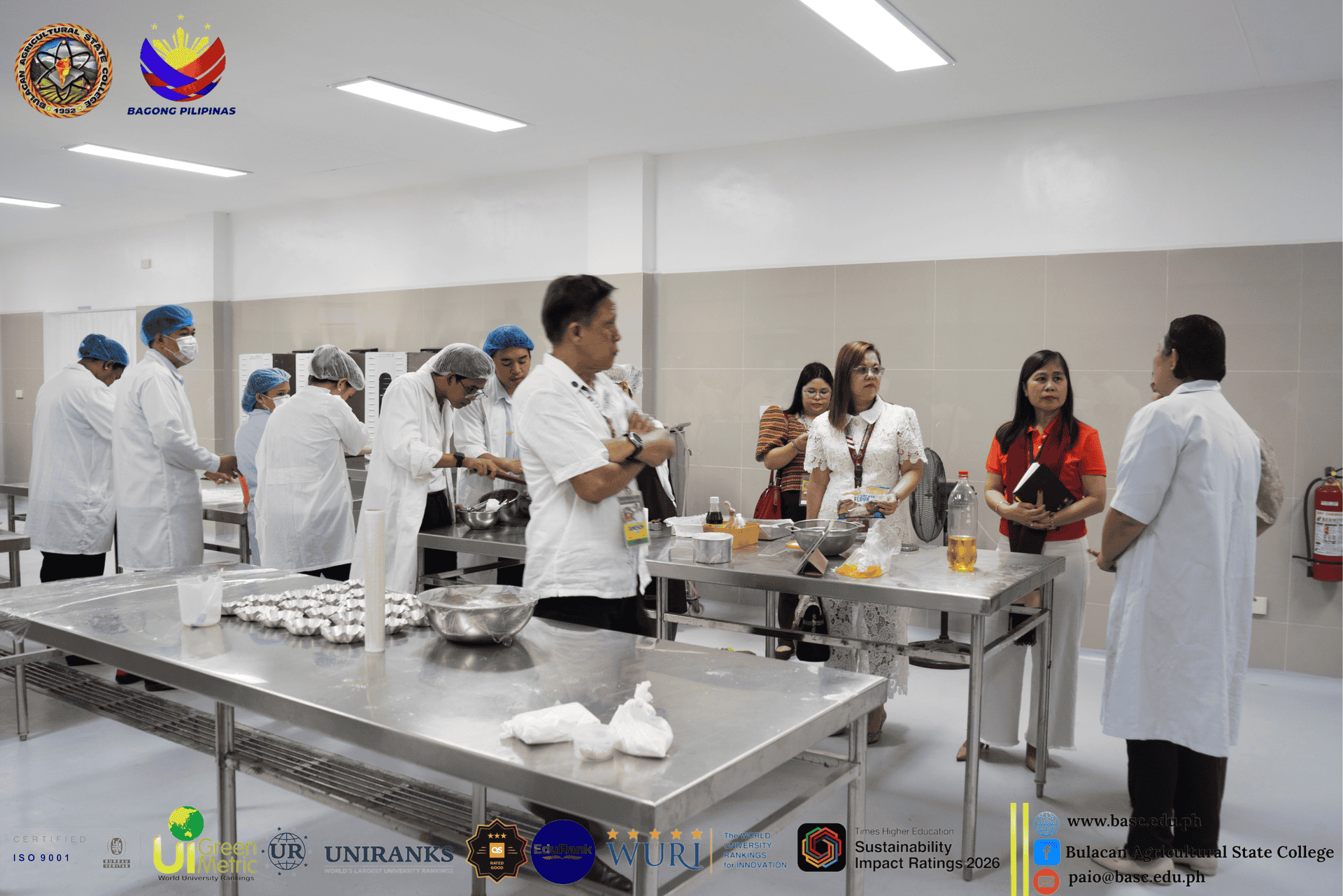
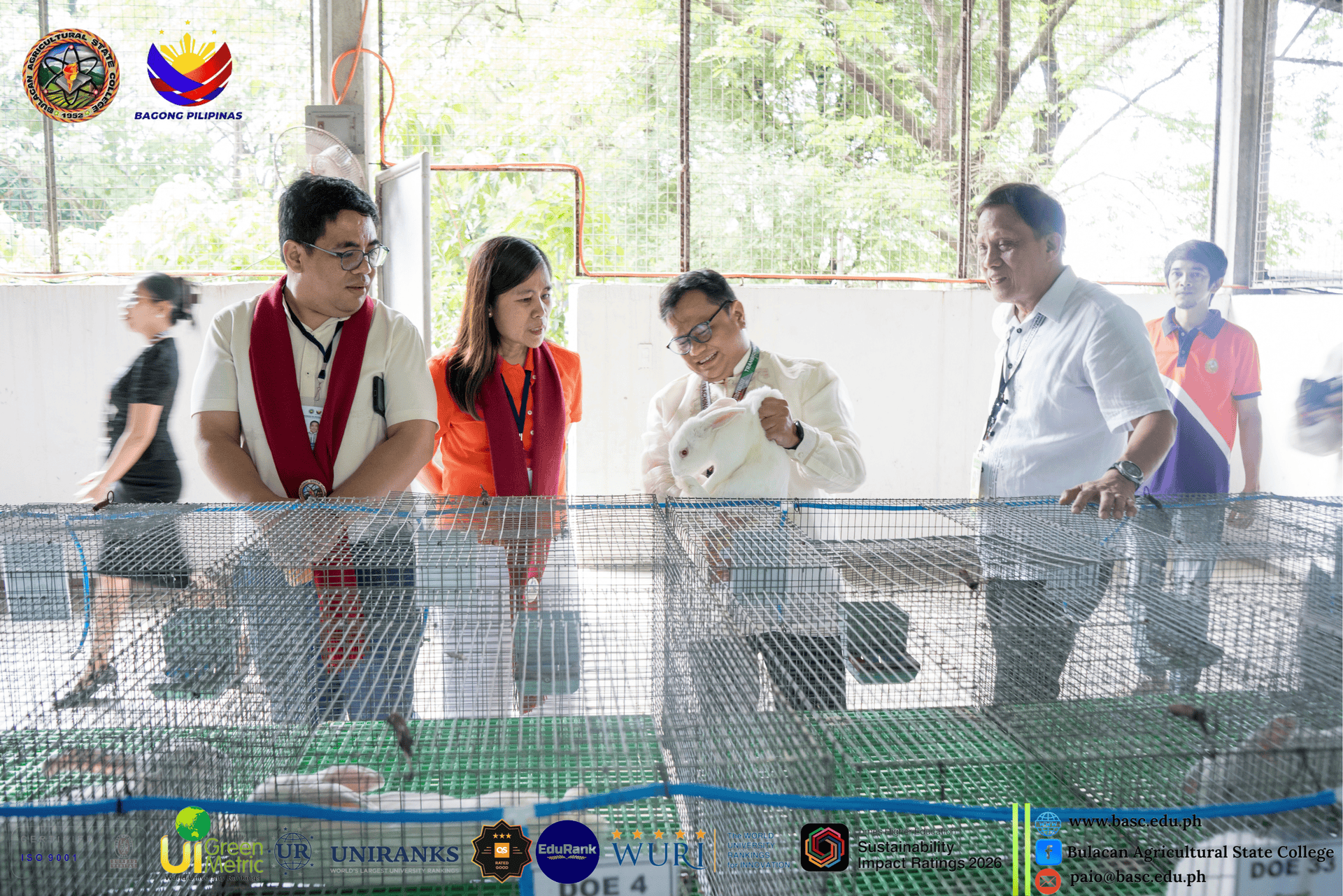
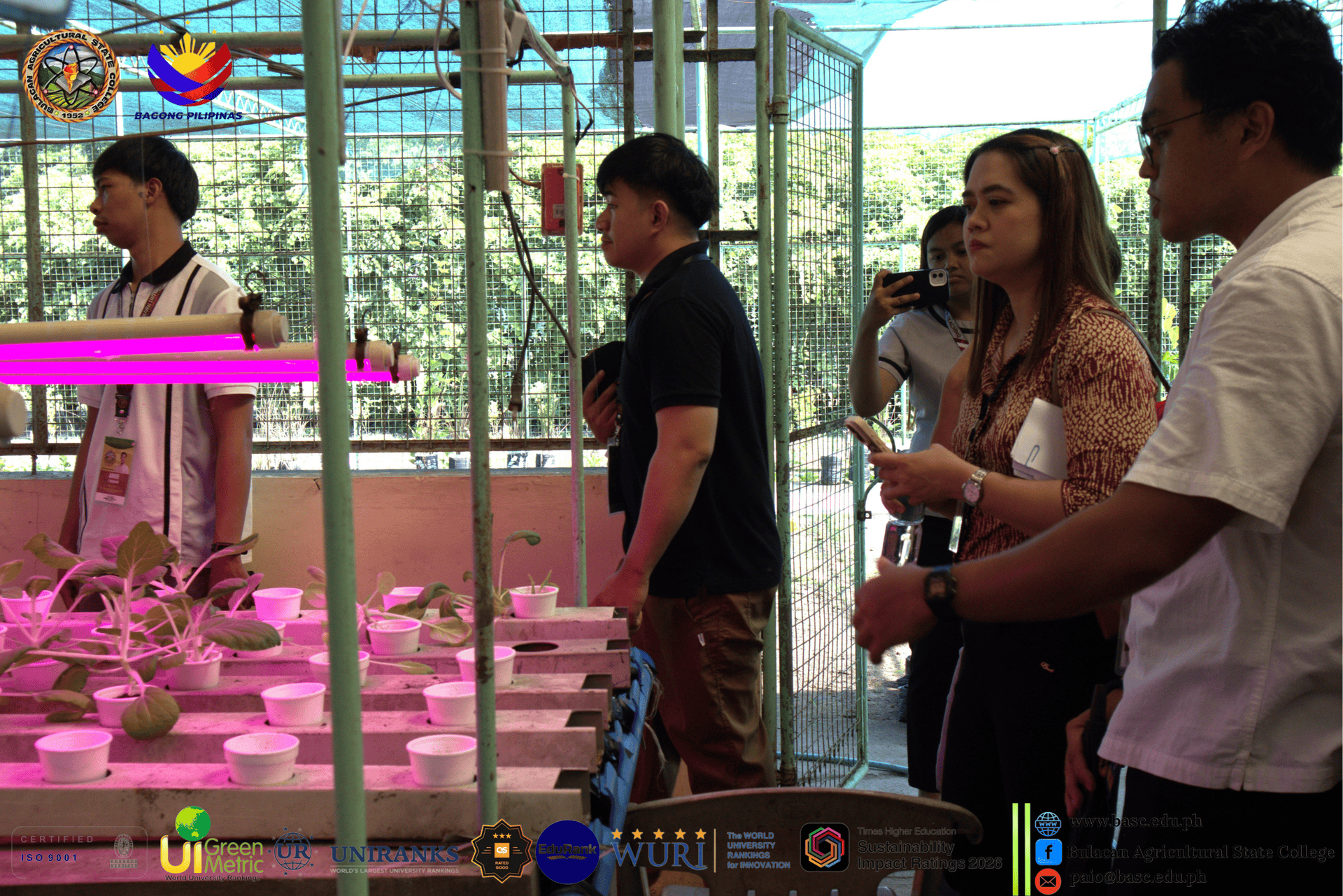
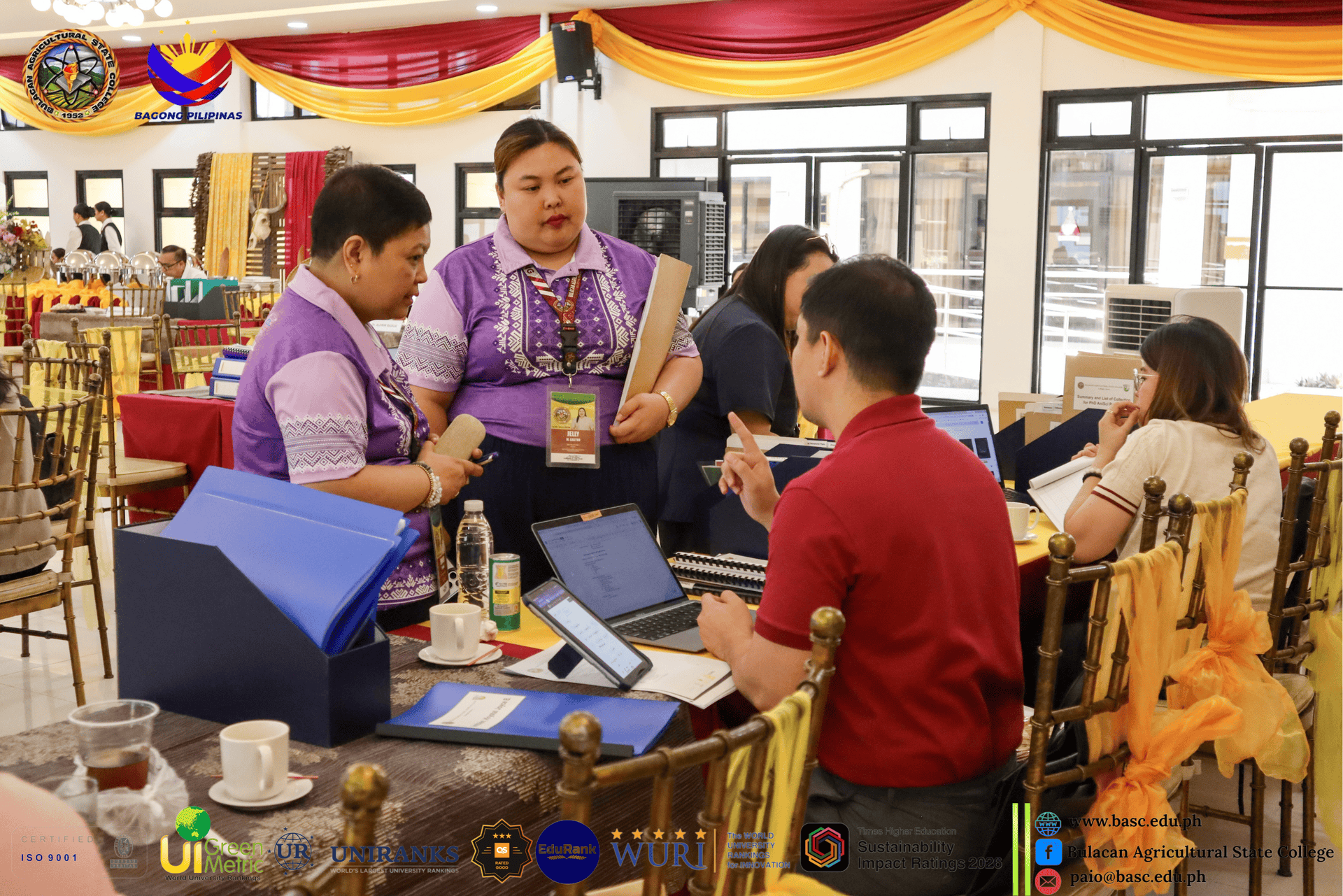
The CCT subsequently examined documentary evidence and moved beyond the
conference tables to see firsthand how institutional systems and programs
operate. Validators visited academic and student support facilities, including
laboratories, agriculture projects, the Radyo Bulak facility, Student Center,
The Soil Tiller (TST) Office, Culture and the Arts Development Office (CADO),
and Office of Student Affairs and Services (OSAS).
On the second day, the validation extended to other learning spaces and
project sites, including the BASC – Doña Remedios Trinidad (DRT) Campus and an
extension project site in Brgy. Dagat-dagatan, San Rafael, Bulacan. Other
members of the team inspected the College of Agriculture and Graduate Studies
in Agriculture (CAGSA), including its library, classrooms, agriculture-related
projects and facilities, as well as OSAS and the Institute of Veterinary
Medicine (IVM), including its laboratories.
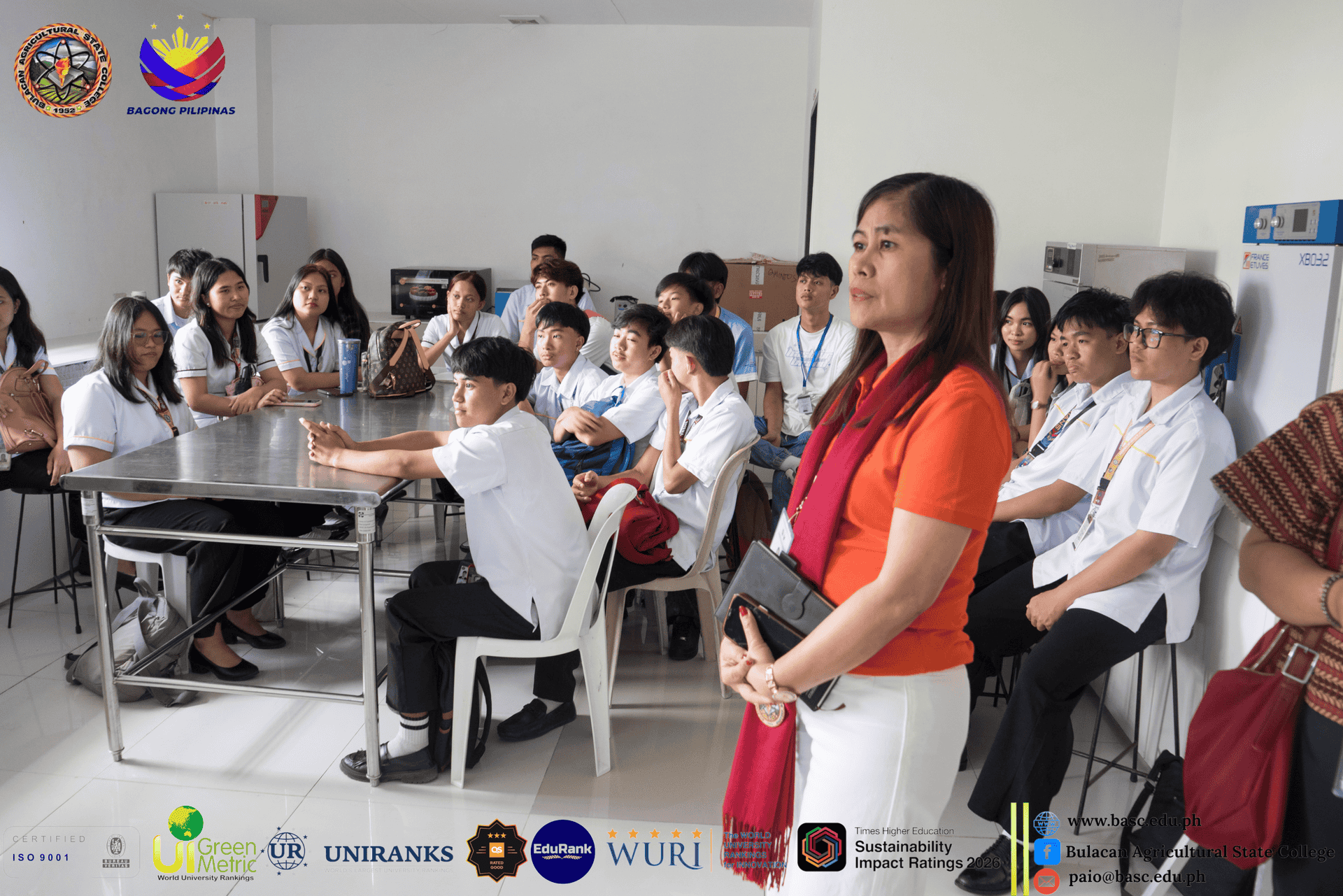
Throughout the assessment, the validators also engaged directly with
heads of offices and units, faculty members, non-teaching personnel, students,
and a farmer-partner. These interactions allowed the team to look beyond
submitted documents and verify how BASC’s policies, systems, programs, and
services are translated into actual institutional practices.
From “Pagsasako” to “Pagsasaka”
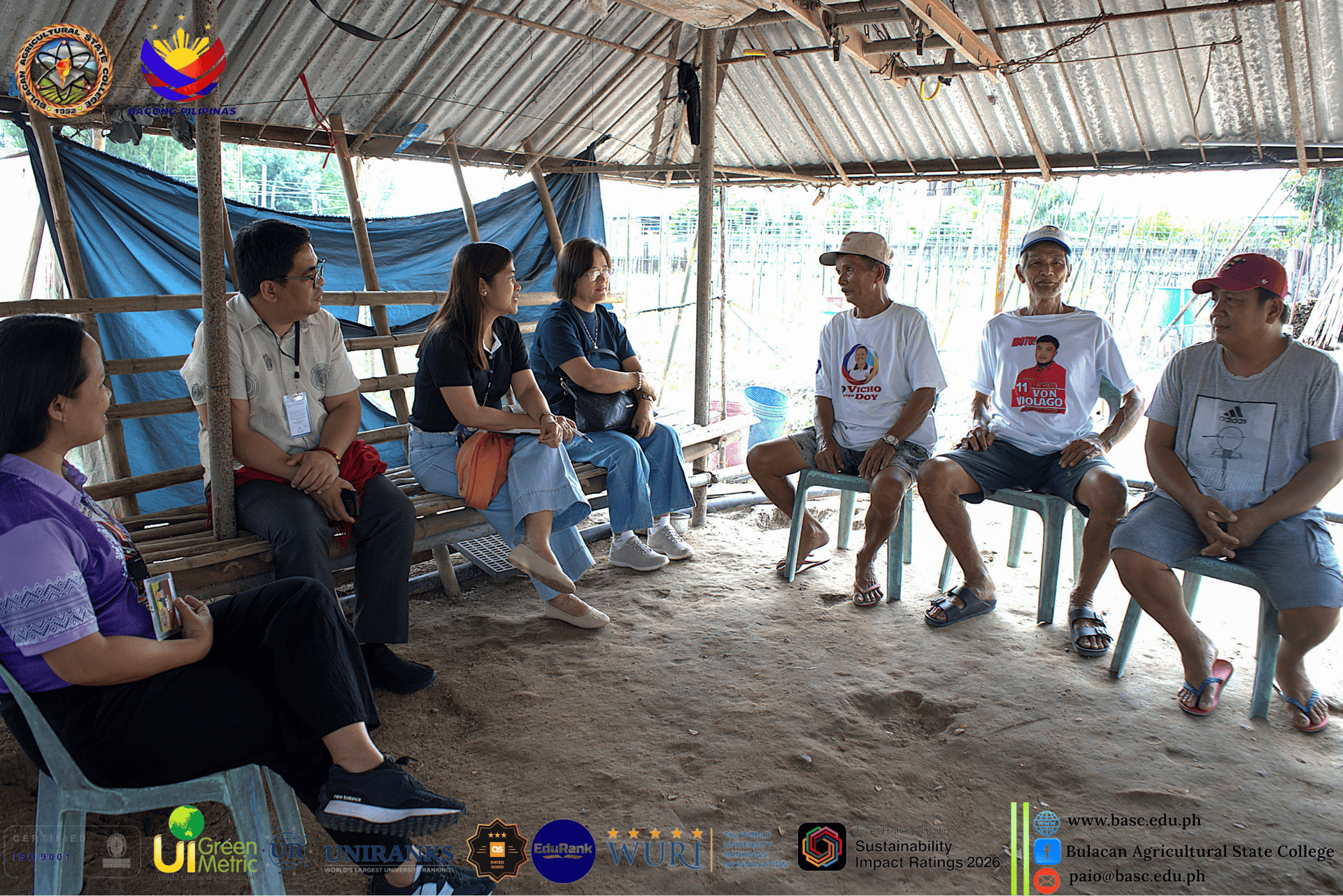
Among the experiences that stood out during the validation was the
team’s visit to BASC farmer-partner Mr. Bernardino Nuñez in San Rafael.
Dr. Yusi, together with Dr. Jimmy G. Catanes, Extension Director Dr.
Imee D. Esguerra, and retired faculty and Palayamanan Project lead Dr. Imelda
SA. Navarro, visited the site where BASC implements the extension project, Sustainability
of Diversified and Integrated Rice-based Farming System (Palayamanan) in the
Upland and Rainfed Areas of Central Luzon. There, the validators saw
firsthand how the College’s technical interventions had helped transform the
livelihood of a partner farmer.
During the presentation of validation results, Dr. Yusi recalled Nuñez’s
words: “Mula sa pagsasako, tungo sa pagsasaka,” a simple but
powerful expression of his journey from living with debt and uncertainty to
becoming a more empowered and dignified farmer.
The story became a human face to one of the strengths recognized during
the assessment: the relevance of BASC’s extension programs and their alignment
with the actual needs of communities. It demonstrated that behind institutional
documents, indicators, and compliance requirements are programs capable of
bringing tangible change to people’s lives.
One Month, One Continuing Goal
The Exit Conference on October 3 brought the on-site phase of the
validation to a close. Following the presentation of findings and President
Tan’s response, certificates of appreciation were awarded to the validators in
recognition of their expertise, time, and guidance throughout the undertaking.
Ms. Bea T. Vinculado, College and Board Secretary, served as host of the
closing program.
The conclusion of the three-day assessment, however, does not mark the
end of BASC’s university conversion journey. With the findings now providing a
clearer picture of its institutional strengths and remaining requirements, the
College turns its attention to the month ahead, when its academic and
administrative units will work collectively to address the areas identified by
the CCT and consolidate the necessary evidence of compliance.
The validation forms part of the implementation of Republic Act No.
11783, which provides for the conversion of Bulacan Agricultural State College
into Bulacan State Agricultural University, subject to compliance with
requirements prescribed by CHED. The law lapsed into law on May 29, 2022.
For BASC, the three days represented more than the validation of
documents, facilities, and systems. They brought into focus years of collective
work by administrators, faculty members, personnel, students, alumni, partners,
and stakeholders toward meeting the standards expected of a state university.
With institutional strengths affirmed, areas for improvement clearly
identified, and the next phase of work laid out, BASC moves forward with
renewed direction and purpose.
#TowardUniversityhood #BASCtoBSAU #TatakBASC #CHEDValidation
#CHEDCompositeTeam #BSAU #QualityHigherEducation #InstitutionalQualityAssurance
#ContinuousImprovement #ResearchAndInnovation #ExtensionServices
#CommunityEngagement #SDG4QualityEducation #SDG9IndustryInnovationAndInfrastructure
#SDG16PeaceJusticeAndStrongInstitutions #SDG17PartnershipsForTheGoals